Advocacy & Community · Books & Writing · November 10, 2026 · 3 min read
Nobody Came
After the Oklahoma City bombing, Amy Downs lay in a hospital room waiting for a stranger who had survived something like it to walk in and tell her she'd get through. Nobody came. So she became that person.
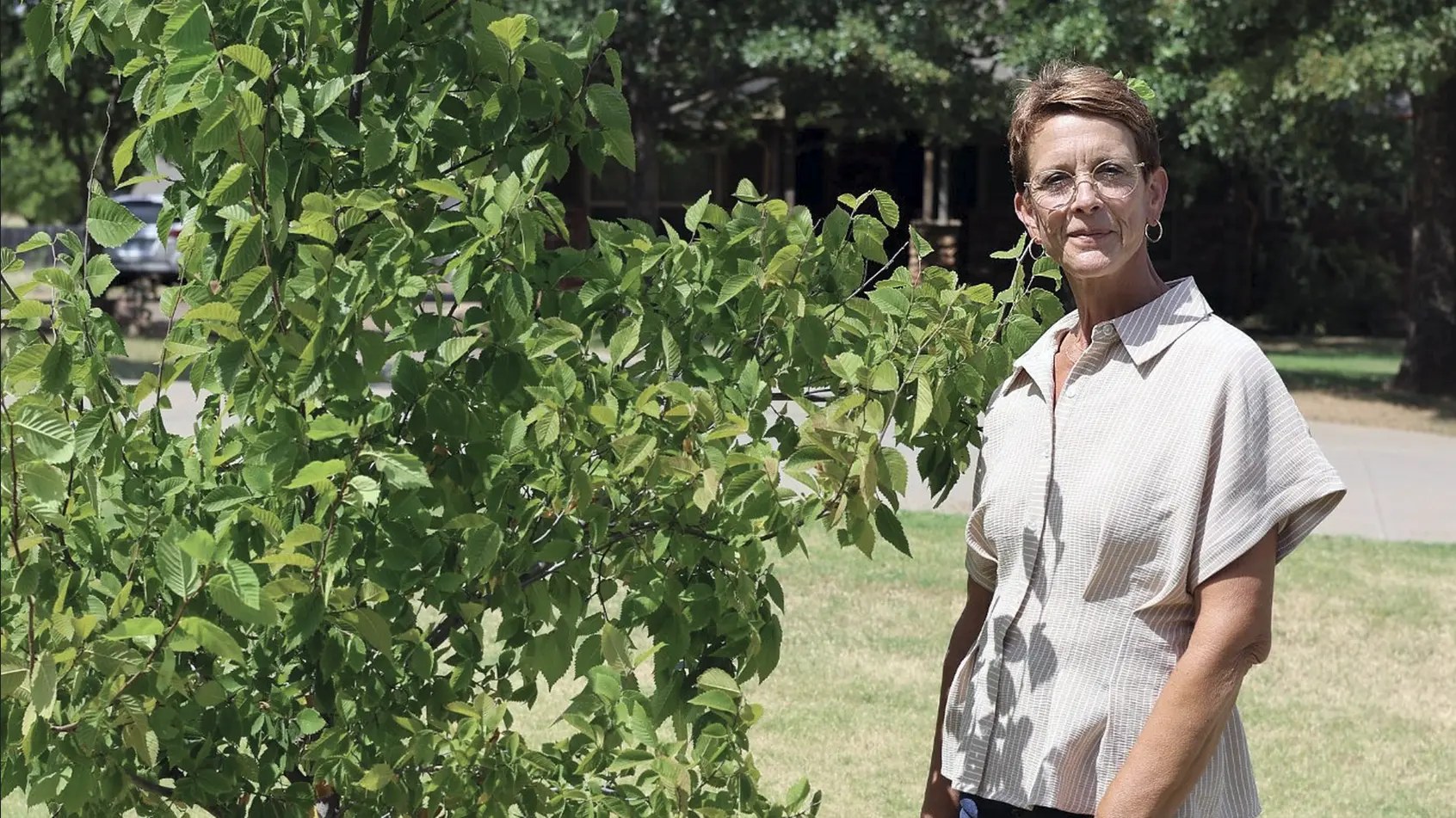
On April 19, 1995, Amy Downs was a teller on the third floor of the Alfred P. Murrah Federal Building in Oklahoma City. At 9:02 that morning the building came apart. She fell three floors still in her office chair and spent more than six hours under the rubble. A hundred and sixty-eight people died. Eighteen of them were her coworkers.
This post isn't about the bombing, though. It's about the hospital room afterward.
In the days that followed, Amy wanted one thing she couldn't have. She wanted a stranger to walk through the door.
"I remember wishing somebody would walk into that hospital room and say, hey, I was in a bombing five years ago. I just want you to know, you're going to get through."
Nobody came. It wasn't that people didn't care. In 1995 there was simply nobody to send. The clinicians treating the survivors were being trained by military psychologists, because the closest model anyone had for what happened downtown was a war.
What she needed wasn't expertise
When we picture help, we usually picture an institution. A program, a hotline, a professional with the right training. Sometimes that is exactly what's needed.
But what Amy wanted in that room was something no program could hand her. She wanted proof. A living person who had been where she was and was still standing, saying out loud that the other side existed.
You can't fund that into existence ahead of time. Somebody has to decide to become it.
Five people in a breakout room
Years later, Amy was teaching an adult Sunday school class she had never volunteered for. She filled in once, then again, until filling in was simply the arrangement. She didn't know how to teach it, so she turned it into a book club. In one of those books was a passage about a person's worst thing becoming useful to somebody else. It stopped her cold and put her right back in the hospital room.
Within days, a woman she had never met walked up and asked whether she ever did any speaking.
Her first talk was written out word for word. She printed it in sixteen point type so she could read it without her glasses, then had it spiral bound and laminated. She practiced it over lunch at her boss's kitchen table. Then she stood up in a breakout room and read it out loud to five people.
Five. That's where it started.
After that came Rotary clubs, churches, Chamber of Commerce coffees, anyone who needed twenty minutes filled and couldn't pay for it. She did it for years without charging a thing. She did it because of the hospital room.
Becoming the one who comes
Advocacy usually gets talked about in big terms: policy, campaigns, platforms. Those matter. Amy's story points at something smaller and harder. It asks whether you are willing to walk into the room you once wished someone had walked into.
It rarely looks impressive. Sometimes it's a laminated script and five people who showed up. Sometimes it's a phone call to someone who just got the news you got years ago. Sometimes it's saying plainly that you made it through, so the person in front of you can believe they might too.
And it costs something. Amy still doesn't enjoy preparing a talk, because to build one she has to go back into the building, and she can only do that so often. She goes anyway. That's the part I hope readers hold onto. Being the person who comes is never free. It is still worth doing.
Why this, the night before
Resonance comes out tomorrow. Its dedication reads, "For the reader willing to look beyond the label and meet the person who is there," and Amy's chapter is where that idea is most plainly at work. Survivor is a label. So is victim. Behind both was a woman in a hospital bed waiting for a stranger, who later decided to become one.
If there's a hospital room somewhere in your past, someone is sitting in one right now. You might be the person who comes.
Keep reading
Advocacy & Community · April 5, 2026
Punishment Doesn’t Teach What We Think It Does
Advocacy & Community · May 10, 2023
Breaking Barriers Through Unwavering Determination and Academic Accomplishment
Advocacy & Community · April 13, 2023
Embracing Compassion and Healing Through Mahayana Buddhism and Cognitive Behavioral Therapy in the Face of Loss
Resonance arrives November 10, 2026. Join the early list for cover reveals, excerpts, and release-day news.
Join the early list